DSG and CVT Transmissions

Your torque converter is a fluid-filled device that sits between your engine and automatic transmission. Instead of the direct connection you'd find in a manual car, the torque converter uses hydraulic fluid to smoothly transfer power from the engine to the gearbox. This is why automatic cars feel so different to drive—there's no clutch to engage; the converter handles that job automatically.
Think of it like a water wheel: when your engine spins, it creates fluid movement inside the converter that builds pressure and gradually engages the transmission. This fluid coupling allows your engine to idle without stalling while the transmission is in gear, something that would be impossible in a manual car. The torque converter also multiplies engine torque at lower speeds, which is why automatics feel responsive off the line.
When everything's working properly, you'll never notice your torque converter. But when it starts to fail, you'll definitely feel it—and often hear it too.
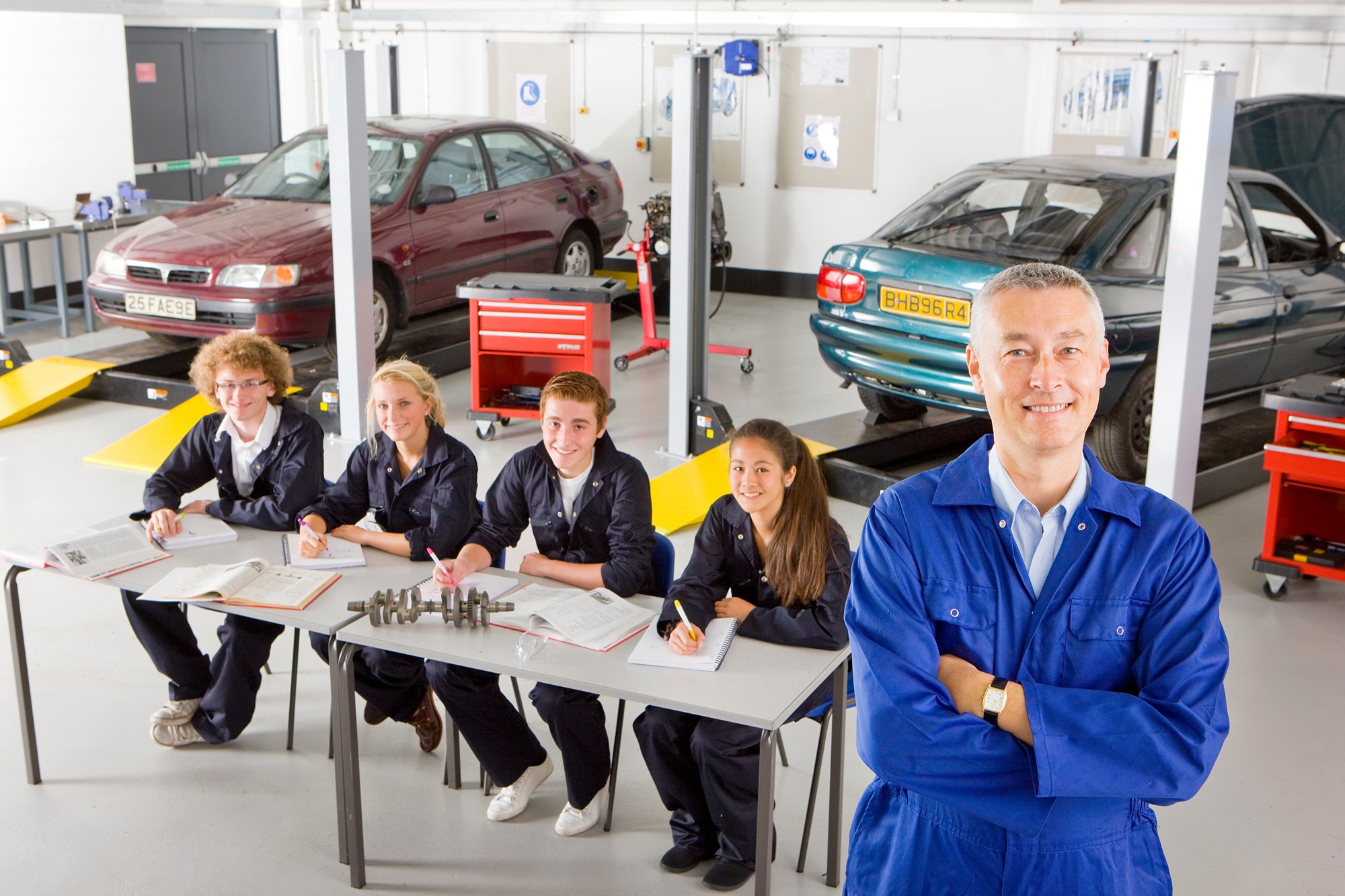
A failing torque converter usually gives you plenty of warning signs. The most common is a shuddering or vibration that happens when you're accelerating, especially at lower speeds. You might feel a rhythmic jerking sensation, almost like the car is hesitating before it catches grip. Another telltale sign is overheating: your transmission fluid temperature gauge climbs higher than normal, or you notice a burning smell coming from the transmission area.
Slipping is another red flag. Your engine revs spike, but your car doesn't accelerate as expected—it's as though the connection between engine and transmission is broken. Some drivers also report a whining or grinding noise from the transmission, or notice that their automatic transmission fluid has turned dark brown or black instead of its normal red colour. In some cases, the check engine light will illuminate, particularly on newer vehicles with computer monitoring systems.
If you're experiencing any of these symptoms, don't ignore them. A failing torque converter puts extra stress on your entire transmission system and can cause catastrophic damage if left unchecked.
When you bring your vehicle to a specialist transmission workshop, the first step is a thorough diagnosis. Your mechanic will connect diagnostic equipment to read any fault codes stored in your vehicle's computer. They'll also perform a road test to feel and hear the symptoms you've described, then inspect your transmission fluid for contamination or signs of internal wear. This diagnostic work is crucial because sometimes symptoms that seem like a torque converter fault could actually stem from transmission fluid problems or valve body issues.
Once confirmed, the replacement begins. Your mechanic will lift the vehicle, drain the transmission fluid (which is often disposed of responsibly and can even be recycled), and disconnect any hoses and sensors connected to the transmission. The transmission itself is then carefully lowered from the vehicle—this is labour-intensive work requiring proper lifting equipment and expertise. The torque converter, which sits at the front of the transmission, is then unbolted from the engine's crankshaft and removed. At this point, your mechanic will thoroughly inspect the crankshaft and surrounding components for any damage or contamination left behind.
The new torque converter is installed, all bolts are torqued to manufacturer specifications, and the transmission is refitted to the engine. Fresh, manufacturer-specified transmission fluid is added, all connections are reattached, and the system is bled to remove any air pockets. The final step is a computer reprogram if your vehicle requires it, followed by a thorough road test to ensure everything is working smoothly.
Torque converter replacement isn't a job for your local general mechanic. This is specialised work that demands specific knowledge, proper diagnostic equipment, and the right tools. A specialist automatic transmission workshop like Bayswater Automatics has mechanics who work on these systems every single day. They understand the nuances of different transmission types—whether you're driving a DSG, CVT, or traditional automatic—and know exactly what can go wrong and how to fix it.
Specialist workshops also keep quality replacement parts in stock and can often source OEM (original equipment manufacturer) converters or quality aftermarket alternatives. They have access to the diagnostic computer equipment needed to reprogram your vehicle after replacement, something most general workshops can't do. More importantly, they offer peace of mind: most reputable transmission specialists provide warranties on both parts and labour, which protects your investment.
The cost of having your torque converter replaced at a specialist might seem higher upfront than at a general mechanic, but you're paying for expertise, proper diagnosis, quality parts, and accountability. A rushed or incorrect replacement could leave you with an even more expensive transmission failure down the track.