DSG and CVT Transmissions

Transmission slipping occurs when your vehicle's automatic gearbox fails to maintain a proper connection between the engine and wheels, causing a loss of power delivery. Think of it like your car is struggling to grip—the engine revs up, but the car doesn't accelerate as expected. This issue typically develops gradually, starting with subtle symptoms that many drivers overlook.
The problem often stems from worn internal components, low or degraded transmission fluid, or issues with the torque converter. In Melbourne's eastern suburbs, where heavy traffic and stop-start driving are common, transmission wear can accelerate faster than expected. Early detection is crucial because slipping puts additional stress on the entire drivetrain, leading to compounding damage.
One of the most obvious signs is a noticeable delay between when you press the accelerator and when your car actually moves forward. You might also notice your engine revving to higher RPMs than usual without a corresponding increase in vehicle speed—essentially your engine spinning its wheels. This sensation is particularly noticeable when merging onto busy roads or climbing hills around the Dandenong Ranges.
Other telltale symptoms include a burning smell coming from under the bonnet, unusual grinding or whining noises from the transmission, and a jerky or hesitant feel when shifting between gears. Some drivers report their vehicle feeling sluggish during acceleration, taking longer to reach speed than it used to. If you experience any combination of these signs, it's time to have your transmission inspected by a specialist.
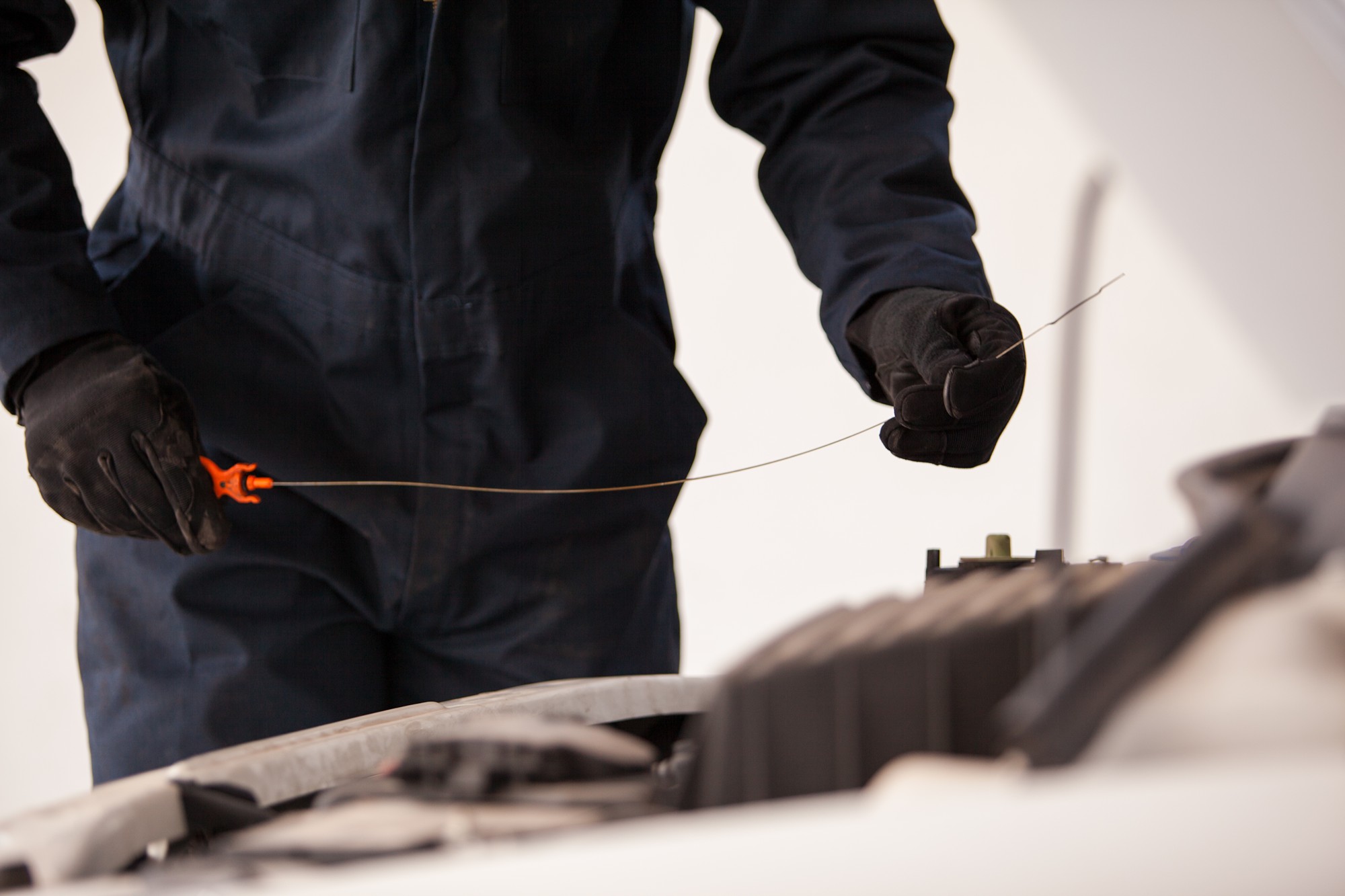
Transmission fluid serves as the lifeblood of your automatic gearbox, providing hydraulic pressure, lubrication, and cooling. When this fluid becomes old, contaminated, or low, it loses its ability to maintain proper pressure within the transmission system, directly causing slipping. Regular fluid checks are one of the easiest preventive measures you can take to avoid costly transmission problems.
The colour and smell of your transmission fluid tell an important story. Fresh fluid is typically bright red and odourless, while degraded fluid appears dark brown or black and smells burnt. If your fluid looks murky or contains metal particles, internal wear is likely occurring. Drivers in Bayswater, Ringwood, and surrounding areas should have their transmission fluid inspected at least annually, or every 40,000 to 80,000 kilometres depending on driving conditions.
While some transmission issues develop over time, others can worsen rapidly, turning a minor repair into a major replacement. If you notice any of the warning signs mentioned—especially RPM spikes without acceleration or delayed gear engagement—don't delay seeking professional diagnosis. Continuing to drive on a slipping transmission will damage additional components like the torque converter and valve body, multiplying repair costs.
A qualified transmission specialist can quickly diagnose whether you're experiencing true slipping or another gearbox issue. They'll perform a thorough inspection including fluid analysis, computer diagnostics, and road testing to pinpoint the exact problem. Whether it's a simple fluid top-up, valve body repair, or computer reprogramming, addressing the issue early makes the difference between an affordable fix and a transmission replacement costing thousands of dollars.